Wife’s Quick Thinking Helps Spot Husband’s Life-Threatening Heart Condition
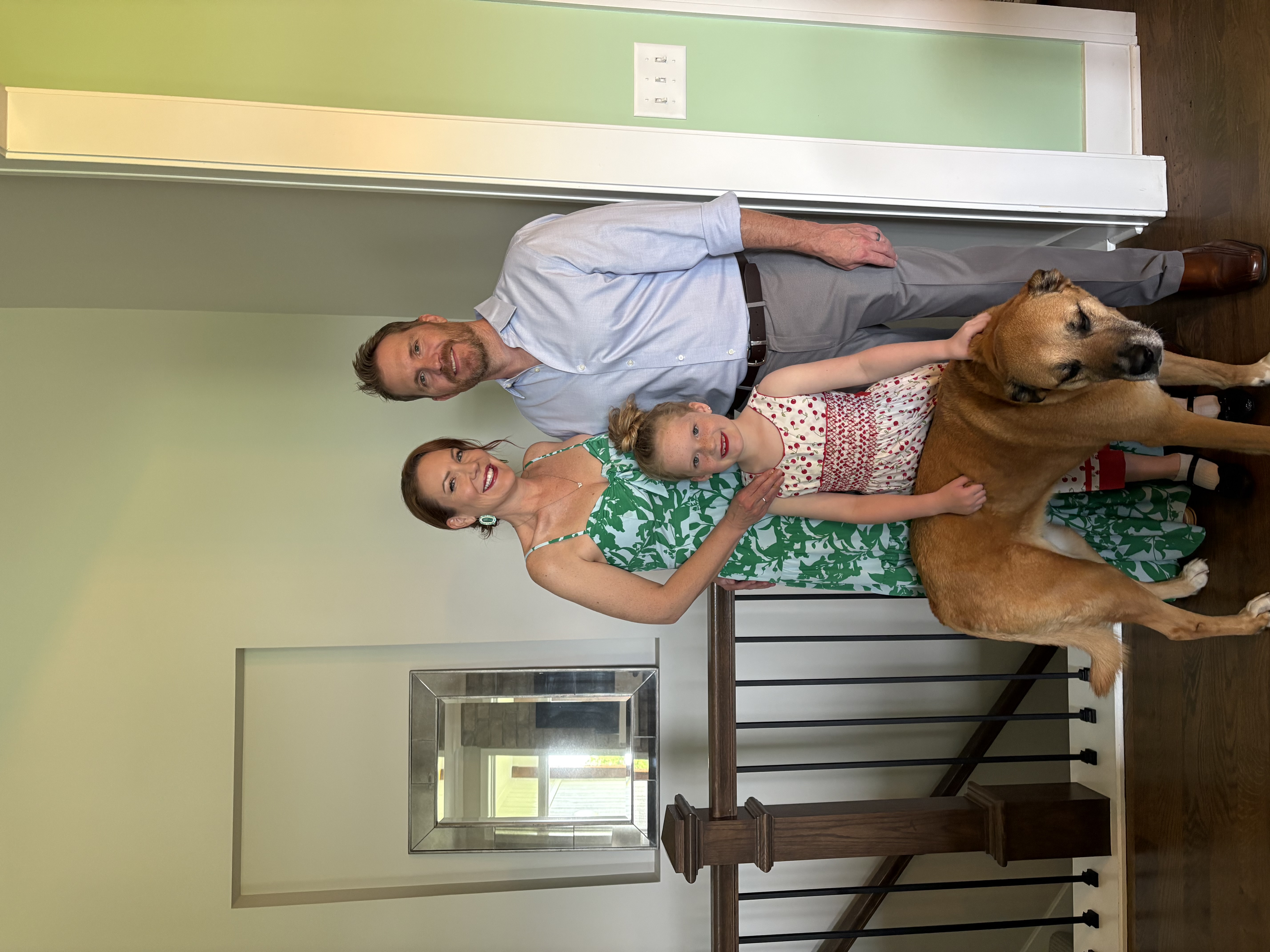 Hollywood tells us that heart emergencies look like someone gasping for air and clutching their chest. But for Jim Williams, the first symptom was far more mundane.
The 50-year-old from Overland Park, Kansas, was getting ready for bed one night in December 2025 when he felt a tightness in his back that pushed into his chest. An avid weightlifter, Jim wondered if he had pulled a muscle. But when a foam roller and other at-home remedies didn’t work, Jim’s wife, Ashley, persuaded him to seek emergency care.
“It wasn’t getting worse, but it wasn’t getting better,” Jim says. “I didn’t have any other symptoms. As far as I knew, I was in great shape. But I trusted Ashley, so we went to the ER.”
That decision likely saved Jim’s life.
Identifying the cause
Jim went to the Emergency Department at Saint Luke’s South Hospital, where the team worked quickly to identify the cause of his chest pain. They started with an electrocardiogram (EKG), which records the electrical signals traveling through the heart to determine how well it’s beating.
Although the EKG came back clear, Jim was asked to stay for additional testing. And with flu season in full swing, Ashley had to return home due to heightened visitation restrictions. Around 2:45 the next morning, Ashley’s phone rang.
“I told her I had the nurse there with me, and she was going to explain what was going on,” Jim says.
Jim had a computerized tomography (CT) scan, which uses special X-rays to take a more detailed image of the heart. The CT scan revealed a tear in Jim’s aorta, the body’s largest artery carrying oxygen-rich blood from the heart to the rest of the body. He was diagnosed with acute aortic dissection, a life-threatening condition requiring immediate surgery.
“I remember just bursting into tears,” Ashley says. “I could feel everything about our life change in an instant. I was scared for Jim, and I was overwhelmed for everything to come.”
 Lifesaving surgery
Jim’s care team acted quickly and decisively. They immediately transferred him to Saint Luke's Mid America Heart Institute at Saint Luke’s Hospital of Kansas City. The Heart Institute is home to the most comprehensive heart and vascular care in the Kansas City region, offering a full range of specialized teams and treatments. His heart care was led by Alexander Pak, MD, a board-certified and fellowship-trained cardiothoracic surgeon who specializes in complex heart surgery.
“Dr. Pak made me feel confident that I was in good hands,” Jim says. “He explained everything he was going to do and what I could expect.”
By 4:30 a.m., Jim was being taken back for surgery. Dr. Pak performed an aortic dissection repair, which involves removing the damaged part of the aorta and replacing it with a tube made from synthetic fabric to restore blood flow out of the heart. Around five hours later, Jim was in a recovery room. Looking back, much of those first few days remains a blur. For Ashley, the experience moved just as quickly.
“Everything happened so quickly that I didn’t really have time to process it,” she says. “Once I saw him after surgery, all the emotions came rushing.”
Jim remained in the hospital for a few days to make sure his heart was functioning normally. After discharge, he was referred to Saint Luke's cardiac rehabilitation to build up his strength and for guidance on a heart-healthy lifestyle.
The hidden danger of high blood pressure
Jim’s care team believes years of undiagnosed high blood pressure, combined with ongoing work-related stress, likely contributed to the aortic dissection.
“I’ve always had white coat syndrome, where I get nervous around doctors and that spikes my blood pressure,” Jim says. “But I never took my blood pressure at home, so I never knew that I was at risk for something like this.”
Jim’s story is an important reminder to get your blood pressure checked regularly, especially if you have elevated readings at home or at the doctor.
“Patients at risk for aortic dissection include people with undiagnosed or under-treated high blood pressure,” says Dr. Pak. “We recommend screening, imaging, and establishing care with a cardiovascular specialist to assess your specific risk for aortic events.”
Back to living life
Now six months after surgery, Jim is steadily getting back to the life he loves. He’s walking the dog every morning, and he’s reintroducing weight training into his weekly workouts. The experience has changed Jim’s perspective on health, and he hopes his story will encourage others not to ignore their health or any unusual symptoms.
“If something feels off, it’s worth getting checked out,” he says. “Don’t neglect your health, because you never know what can be going on.”
For Ashley, there’s one moment that continues to stand out.
“We were in the cardiac intensive care unit, and so many people came up to me saying how glad they were that Jim listened to me when I said he needed to get checked out,” she says. “People are afraid of what they may find, but you can’t get better if you don’t know what’s wrong.”
Jim agrees wholeheartedly.
“I credit my wife for making me go,” he says. “And I credit the team at Saint Luke’s for keeping me alive.”
About Saint Luke’s Mid America Heart Institute
Comprising nearly 100 board-certified experts in cardiology, cardiovascular surgery, and critical care anesthesia, Saint Luke’s Mid America Heart Institute offers a comprehensive range of treatment options for advanced heart failure, structural intervention, preventive cardiology, electrophysiology, and heart and vascular surgery.
Relevant News
Patient Stories
Walking a New Path: How One Patient Turned Pain Into Passion
News
Health News You Can Use: Saint Luke's Complex Aorta Disease Program
Patient Stories
16,000 Steps A Day: Gina’s Bariatric Surgery Transformation
Patient Stories
Emergency Heart Care Helps Joan Celebrate Life’s Big Moments
Patient Stories
Healing in Harmony: How Music Helped Bob Recover After Stroke
Patient Stories