18 Years After Stroke, Don Is Using His Hand Again
Don Cady, 62, is at home adjusting greenery on a holiday-themed wreath, testing the strength and dexterity of his right hand. While making wreaths has been one of his longtime hobbies, this one feels different.
Adorned in red, white, and blue, for Independence Day, this wreath also represents a major milestone since Don’s stroke 18 years ago: his independence.
As Don works his way through his latest project, he is grateful for his care team at Saint Luke’s and the technology that helped make this possible.
“I’m really fortunate I got involved with Saint Luke’s,” Don says.
Lasting repercussions
In 2008, Don experienced a stroke at work, which permanently affected the right side of his body. After hospitalization, he completed physical, occupational, and speech therapy at Saint Luke’s.
There, his therapists helped rebuild strength, improve mobility, and adapt to life after a stroke by using the best rehabilitation approaches available at the time.
While therapy helped Don make meaningful strides early in his recovery, the weakness in his right arm and hand were a long-term challenge.
For years, his Saint Luke’s care team continued to monitor Don’s condition while adjusting therapy and staying alert to emerging approaches that might help Don’s specific situation, particularly his persistent arm and hand weakness.
Vivistim®: A new leap in stroke recovery
Don has regular check-ups with his care team and Karin Olds, MD, stroke medical director for Saint Luke's Marion Bloch Neuroscience Institute, to monitor his condition. During one of his visits, a physical therapist told him about Vivistim, a new treatment for stroke survivors who wanted more mobility in their upper limbs.
Stroke can cause lasting neurological damage within hours or minutes, making recovery challenging for many patients, especially years later. When Don had his stroke nearly two decades earlier, he didn’t have options to significantly improve the use of his right side.
So when he heard about Vivistim, he couldn’t believe what it was promising.
“We had to look into it,” he says.
Vivistim is a pacemaker‑like implant that uses electrical stimulation on the vagus nerve, a nerve that helps regulate key involuntary functions in the body. The implant contains two components: a pulse generator under the skin on the patient’s chest and electrodes on the left vagus nerve, which travels from the brain to the large intestine.
The implant improves one’s neuroplasticity, which is the brain’s ability to rewire itself after a stroke. Vivistim recipients can also turn the device on or off at will with a magnetic device.
“With the stimulations provided by Vivistim and regular exercises,” Dr. Olds says, “patients can regain two to three times more hand or arm function compared with therapy on its own.”
Don opted for the Vivistim treatment in September 2025 and the improvements showed up gradually in everyday tasks. Don was able to write legibly, shuffle cards, and cut food on his own, which were all challenging if not impossible before the procedure.
The results weren’t instant. Vivistim requires commitment to therapy to develop muscles and range of motion.
“I've shown progress in almost everything,” Don says. “Some days are better than others, but I just have to keep doing what I’m supposed to do.”
 Independence days
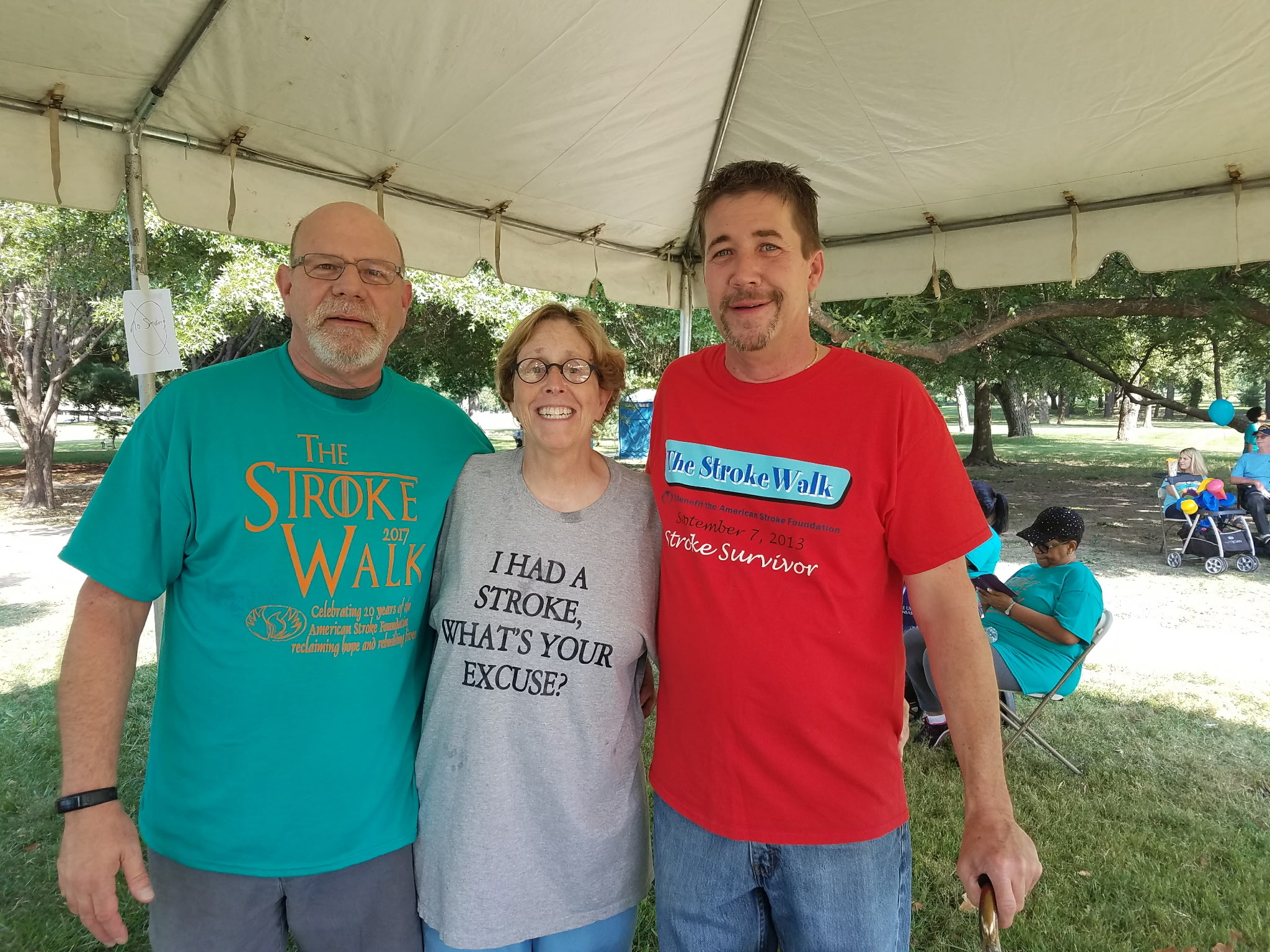
Regaining his independence is something Don never thought possible 18 years ago.
For stroke patients who are struggling with mobility in their upper extremities, Don recommends talking to a neurologist to see if Vivistim is a viable option.
“I say give it a shot,” he says. “My life has definitely improved since the procedure.”
While Don still faces challenges with his memory and weakness in his lower body, he’s able to live a much higher quality of life.
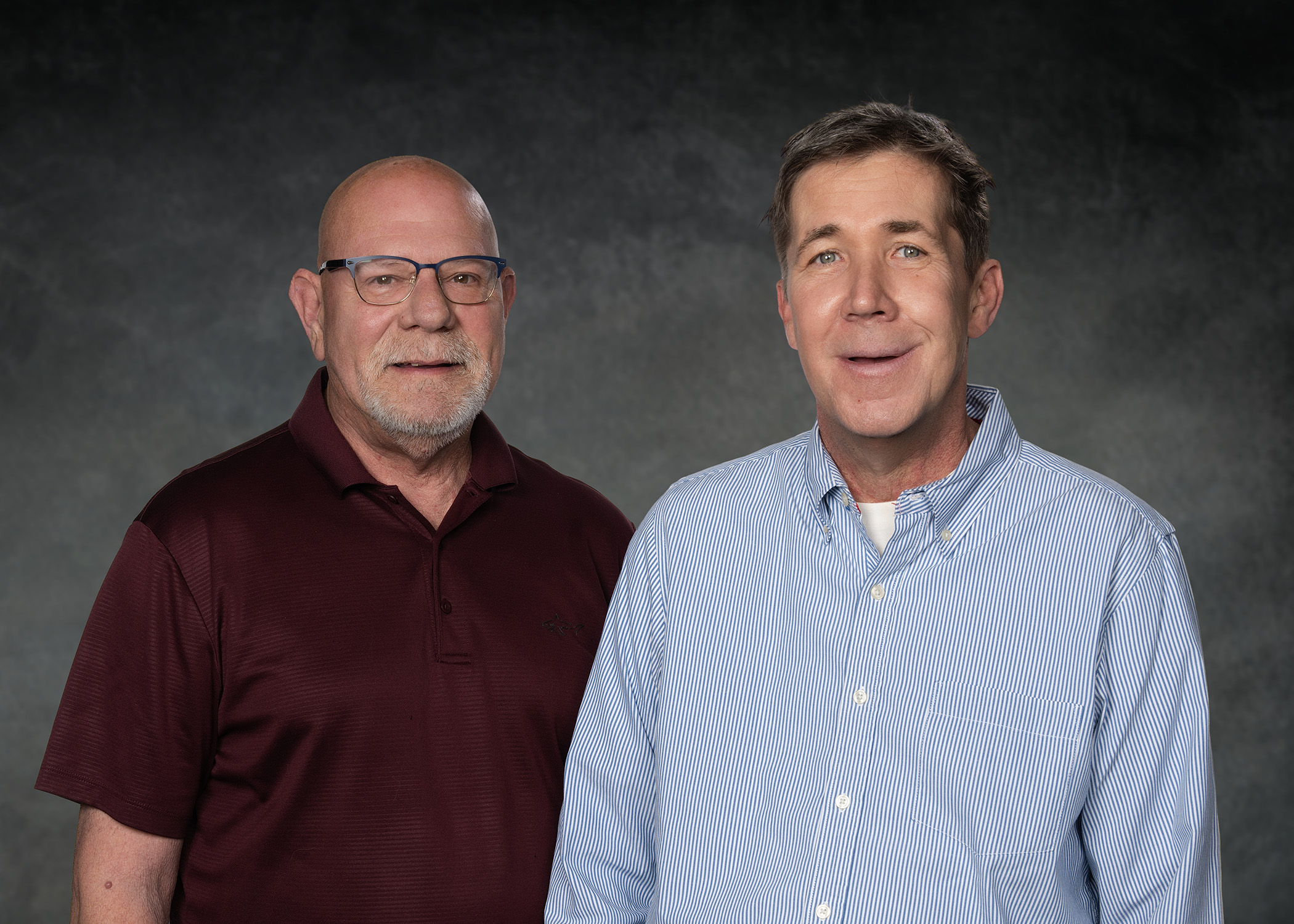
Don’s partner Bill has been amazed at Don’s progress since September.
“The fact he’s been able to get this function back in his hand after 18 years is a pretty good breakthrough,” Bill says.
Don and Bill can once again enjoy weekly dinners out, Broadway shows in Kansas City—and a new wreath on the door.
Relevant News
Patient Stories
Walking a New Path: How One Patient Turned Pain Into Passion
Patient Stories
16,000 Steps A Day: Gina’s Bariatric Surgery Transformation
Patient Stories
Wife’s Quick Thinking Helps Husband
Patient Stories
Emergency Heart Care Helps Joan Celebrate Life’s Big Moments
Patient Stories
Healing in Harmony: How Music Helped Bob Recover After Stroke
Patient Stories