Supporting the Adult Congenital Heart Disease Program
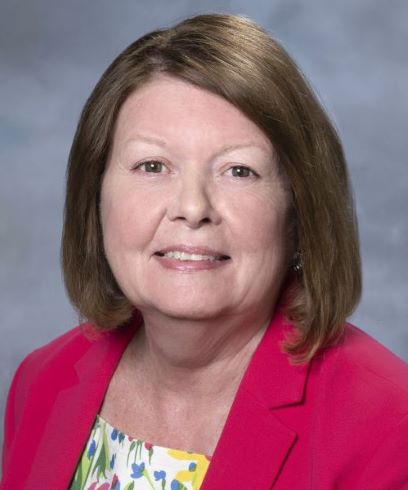
Throughout her career in pediatric anesthesiology and pediatric cardiac anesthesiology, Kathy Perryman, MD, recognized how children and adults with congenital heart disease required different approaches to their cardiac care.
Advancements in surgical and medical management of pediatric cardiac diseases have produced a larger adult patient population. Knowledge of this population's special anatomy and physiology is crucial for their care.
Working at Kansas City's Children's Mercy Hospital, Dr. Perryman spent years advocating for care models that took into account patients' different ages, and her efforts have paid off: Saint Luke's recently partnered with Children's Mercy to form the Adult Congenital Heart Disease Program. Accredited by the Adult Congenital Heart Association, the program aims to provide a smooth transition as children age out of pediatric care.
About one in a hundred people is born with congenital heart disease, making it a relatively common condition. However, because survival rates have improved dramatically over the last two decades, there are now more adults than children living with the condition. While that's good news, it brings its own challenges.
Saint Luke's Anthony Magalski, MD, who serves as medical director of the program, explains: "When kids get to be adults, they often don't feel the need to seek care, but even though they feel good, there is still a risk of complications. Our goal is to bring everyone together, including the patient, their family, their longstanding pediatric cardiologist, and their new adult cardiologist, to discuss the patient's condition and what to expect moving forward."
It's just what Dr. Perryman hoped for. "Collaborate is a word I use over and over, because everybody has their own skillset, and we need to work together. Infants and children receive excellent care at Children's Mercy, and I want those patients to understand that their adult physicians will do the same thing at Saint Luke's. I'm just thrilled that they'll be able to move from one program to another in a very smooth, fluid manner. You can't expect any better than that."
In addition to her continued interest in the development of the program, Dr. Perryman also recently donated financially. That decision came out of both her interest in cardiac care and to honor her late husband, Chris Perryman, MD, an internal medicine physician and clinical leader who spent his career at Saint Luke's. "I went to our kids, and proposed the donation as a family, and they were all in favor of it," she says. "It's all about how we feel about Saint Luke's."
Relevant News
Article
Joint Replacement Surgery: Five Things to Know
Article
KSHB: Healthy and Affordable School Lunch Tips With Saint Luke's
Article
Helping Kids Start the School Year Strong
Article
Health News You Can Use: Saint Luke's Crohn's and Colitis Center of Excellence
Article
Celebrating the Heart of Anderson County Hospital: Our Volunteers
Article